
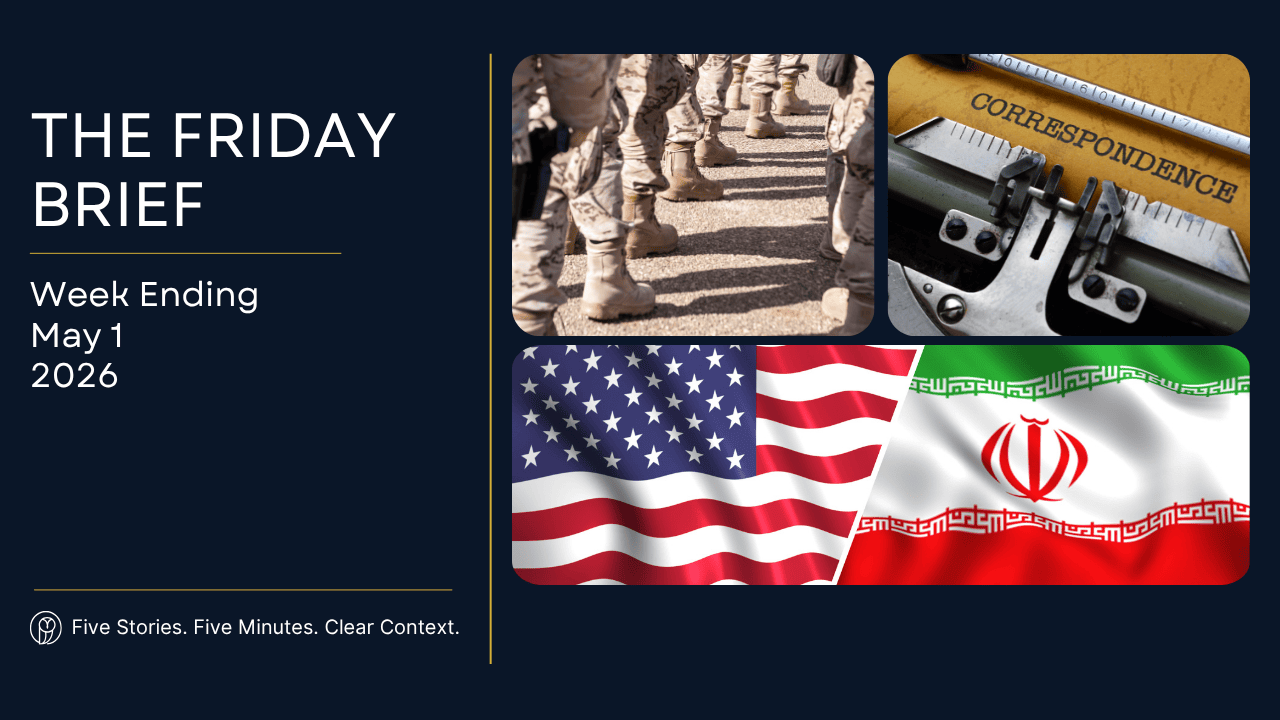
Tensions between the United States and Iran have reached a critical point following a series of military actions and disruptions to key shipping lanes in the Middle East. Both nations have issued strong accusations regarding the violation of previous agreements, leading to a stalemate in diplomatic peace talks. Currently, a significant military presence remains active in the region, with both sides increasing their readiness levels as the situation continues to evolve without a clear de-escalation path.
The primary concern driving global discourse is the risk of a wider regional conflict that could draw in additional international powers. Beyond the geopolitical stakes, the immediate economic impact is already visible: global oil prices have fluctuated sharply in response to the threat of supply chain disruptions. This volatility highlights how quickly localized conflicts can ripple through the global economy, affecting everything from fuel costs to inflation rates.
- Is this a temporary spike in tension or the start of a longer conflict?
- How do oil price fluctuations actually affect my local economy?
- Why are peace talks stalling, and who is being blamed?
- How can I tell if the news I’m reading is reporting facts or pushing a specific narrative?
Financial markets experienced heightened volatility this week as investors grappled with the dual pressures of escalating global geopolitical tensions and persistent uncertainty regarding inflation. The disruption in shipping routes and the threat of conflict drove oil prices upward, creating immediate ripple effects across energy sectors. Simultaneously, the Federal Reserve has entered a period of intense deliberation, weighing the need to curb inflation against the risks of slowing economic growth, leaving interest rate decisions in a state of flux.
The conversation has shifted from abstract market numbers to tangible household impacts. Fluctuations in interest rates directly influence borrowing costs for mortgages, auto loans, and credit cards, while rising energy prices feed into the cost of goods and services. As the Fed signals potential shifts in monetary policy, consumers and businesses are left navigating a landscape where the cost of money and energy is unpredictable, creating anxiety about future spending power and savings stability.
- Will the Fed raise or lower interest rates next month?
- How much do higher oil prices actually add to my monthly bills?
- Is this market volatility a sign of a coming recession?
- How can I protect my savings when the economy feels so unstable?
The United States has announced plans to withdraw thousands of troops currently stationed in Germany, a move that has immediately drawn sharp criticism from lawmakers on both sides of the aisle. The proposed reduction would significantly alter the U.S. military footprint in Europe, a presence that has served as a cornerstone of transatlantic security for decades. Critics argue that the withdrawal could weaken NATO’s defensive posture and create a security vacuum in a region already navigating heightened tensions from the ongoing conflict in Eastern Europe and shifting geopolitical dynamics.
This decision strikes at the heart of a longstanding debate about America’s role in global security. Germany is a critical logistics hub, intelligence center, and forward operating base for U.S. and allied operations. Reducing that presence raises urgent questions about whether this signals a broader retreat from U.S. commitments abroad, whether allies in Eastern Europe will feel more vulnerable, and whether the move emboldens adversaries who may interpret it as a weakening of Western resolve.
- Why Germany specifically—and why now?
- Will this actually save money, or just relocate costs elsewhere?
- How are U.S. allies in Europe responding behind closed doors?
- Could this withdrawal be reversed by a future administration?
- Am I seeing the full picture, or just the version my preferred news source wants me to see?
The annual White House Correspondents’ Dinner (WHCD) recently concluded, bringing together top journalists, political leaders, and celebrities in a high-profile gala. While the event is traditionally a night of lighthearted roasting and networking, this year’s proceedings ignited a firestorm online. Viral clips from the dinner sparked a polarized reaction: some viewers criticized the tone as self-congratulatory and “out of touch” with the struggles of ordinary Americans, while defenders argued it remains a vital tradition for press freedom and accountability. Complicating the narrative further, a new wave of debate emerged questioning the venue costs, with critics alleging that the event was staged in a way that effectively shifted the financial burden to taxpayers for the use of federal facilities.
The backlash goes beyond mere comedy routines; it strikes at the core of the fractured relationship between the media establishment and the public. The criticism that the event is “out of touch” reflects a broader sentiment that elite institutions operate in a bubble, disconnected from the economic and social realities of the average citizen. Furthermore, the allegations regarding taxpayer funding have turned the event into a flashpoint for debates about government spending and transparency. If the public perceives that their money is subsidizing a party for the powerful, it reinforces the narrative of a rigged system, deepening the cynicism that fuels political polarization.
- Did taxpayers actually pay for the ballroom, or is that a misconception?
- Why do journalists and politicians seem so disconnected from regular people?
- Is the White House Correspondents’ Dinner still relevant in the age of social media?
- How can we rebuild trust between the media and the public?
- Are we seeing a “culture war” play out over a comedy roast?
No discussions yet
Be the first to join the discussion and share your thoughts with the community.