When people hear about foreign wars, trade negotiations, or cyberattacks, it can feel incredibly distant. It looks like a high-level game played only between governments and world leaders. However, major world events rarely stay far away for long.
The Global Ripple Effect
Even when we do not notice it immediately, global events slowly work their way directly into your daily life:
- The baseline price of your household groceries and gas.
- Your personal job stability and mortgage interest rates.
- The accuracy of the information hitting your social media feeds.
1. Conflict in the Middle East Can Raise Everyday Costs
Ongoing international tensions involving key shipping routes matter globally for one major reason: Energy supply chains.
A large portion of the world’s oil moves through narrow maritime chokepoints. Whenever conflict threatens these regions, financial markets react instantly. Global shipping businesses immediately fear transportation disruptions.
What Happens Next?
- Global oil prices rise and maritime shipping costs increase.
- Companies raise retail prices to protect themselves against higher transportation expenses.
- Higher costs reach consumers through gas pumps, utility bills, and food delivery fees.
2. Global Trade Decisions Shape Retail Prices
When politicians debate international tariffs, the consequences hit our local retail stores. Countless everyday consumer products rely heavily on foreign manufacturing and raw materials.
If Tensions Rise:
Consumers experience higher product prices, slower delivery windows, and domestic supply shortages.
If Agreements Improve:
Retail prices stabilize, business confidence grows, and local companies invest in expansion.
3. AI-Driven Information Changes Who We Trust
Artificial intelligence is no longer just a trend for tech developers. Sophisticated bad actors increasingly deploy AI-powered scams, voice-cloning software, and deepfake digital media. The unmatched speed of generation is what makes this shift highly volatile.
Everyday Traps Erupting Online:
- Automated customer service calls using cloned corporate voices.
- Voice-cloning scams targeting elderly relatives by pretending to be family members in danger.
- Manipulated online news footage designed to alter public trust before major votes.
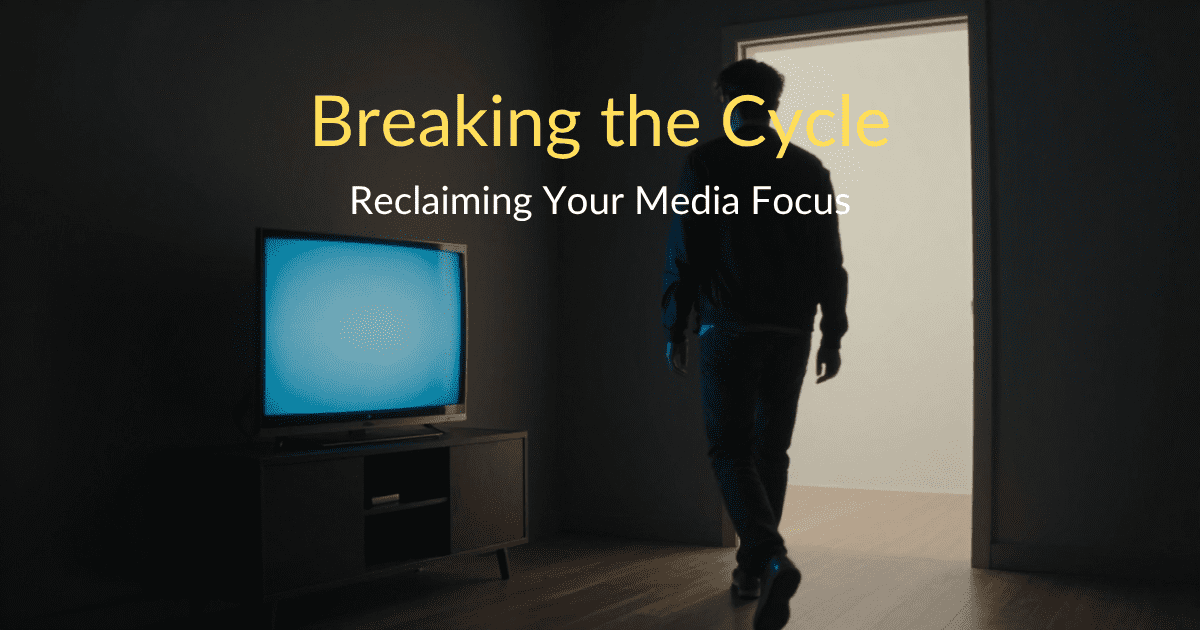
4. The Media Trap: How the News Diet Warps Awareness
To stay updated on these crises, millions of Americans keep 24-hour cable networks running continuously in their homes. While intended as a civic responsibility, research shows that consuming constant media commentary often backfires.
Empirical communication studies show a clear pattern. A landmark study conducted by Fairleigh Dickinson University tested citizens on basic political and current events facts. The data revealed that individuals who exclusively consumed 24-hour cable updates actually scored significantly lower on factual knowledge than people who watched no news media at all.
Cable models are built for profit, and profit requires continuous consumer engagement. Because outrage drives clicks, channels swap calm historical context for a state of permanent crisis. This echo chamber model contributes heavily to severe polarization and structural misinformation.
5. The Psychological Reality: Headline Stress Disorder
Politics is no longer confined to government halls. Because of smartphone notifications, it lives permanently inside our pockets. Nonstop exposure to crisis-focused reporting drives severe mental and physical health issues.
Psychological data proves that constant streaming of negative news triggers our primal fight-or-flight mechanisms. This continuous exposure floods our systems with stress hormones like cortisol. Over time, this intake causes real-world anxiety, emotional burnout, and chronic sleep disruptions.
The Action Blueprint: Reclaiming Your Media Sovereignty
You cannot stop international conflicts or dictate media broadcast agendas. However, you retain full ownership over what you allow into your mind. Implement this strategy to build informational resilience and hope:
- Enforce a Hard Daily Horizon: Restrict your total news intake to 30 minutes per day. Choose one focused window to read updates, and close the applications completely when your timer rings.
- Pivot from Television to Neutral Print: Cable news relies on dramatic musical scores and flashing red banners designed to spike your adrenaline. Switch your intake to objective print agencies like Reuters or the Associated Press.
- Deconstruct Single-Channel Bubbles: If your input comes entirely from one station, you are trapped in an editorial bubble. Actively read diverse, international policy briefs to get factual data.
- Audit Your Physical Signals: Pay close attention to your body when consuming political media. If you feel your jaw tightening, your heart rate spiking, or a sense of helplessness building, step away instantly.
The Bigger Picture
Most citizens are not foreign policy specialists. They are simply trying to manage household budgets, support their families, and build a peaceful existence. Yet, global currents shape our daily lives in ways that remain impossible to ignore completely.
Navigating Forward with Hope
Tracking current events shouldn’t serve to deepen partisan division. True awareness helps us understand:
- The economic forces shaping our household financial decisions.
- Why digital trust feels fragile and how to protect our personal data safely.
- How to preserve our mental well-being while taking active roles in our local communities.
In a connected world, protecting your perspective is the ultimate form of personal agency.
No discussions yet
Be the first to join the discussion and share your thoughts with the community.