
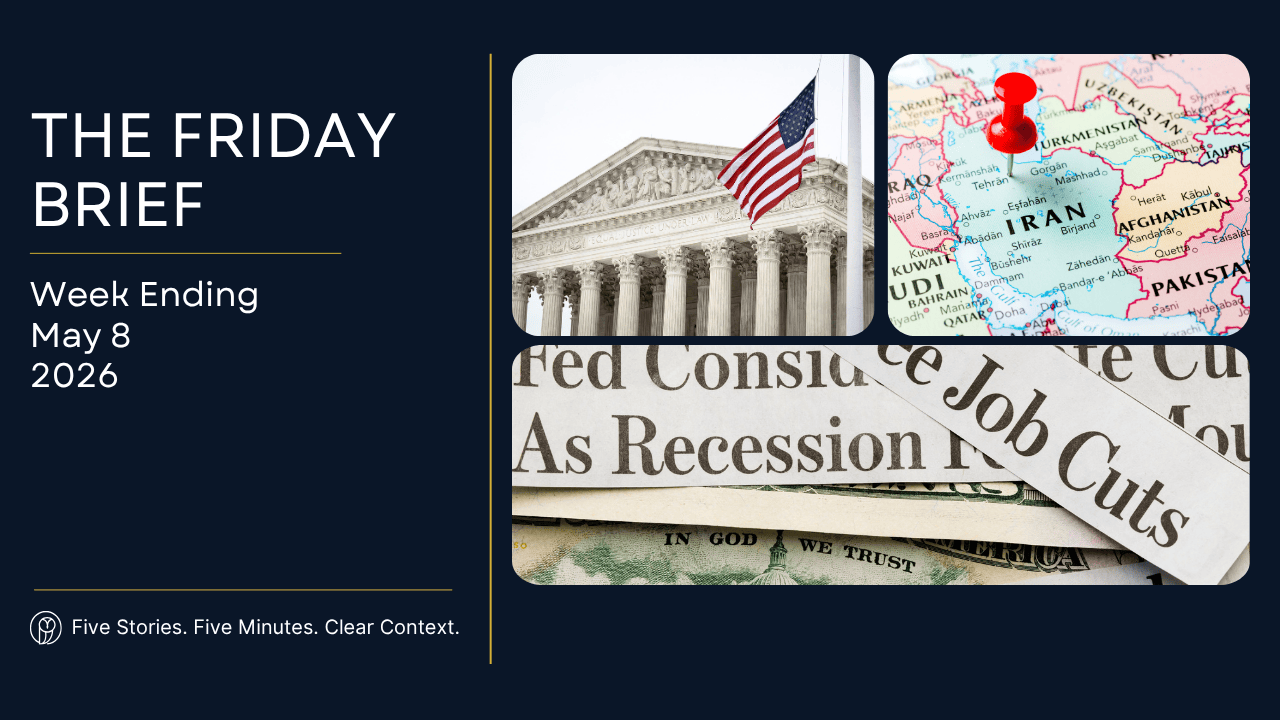
Top Current News Stories
Week Ending May 8
U.S.–Iran Tensions Continue Despite Ceasefire Talks
What Happened: Tensions between the U.S. and Iran remained high this week after new attacks and military activity in the Strait of Hormuz. Both sides accused each other of violating ceasefire agreements while diplomatic talks continued behind the scenes. The U.S. has also paused parts of its naval operation while negotiations continue.
Why It’s Being Talked About: The conflict continues to affect global oil markets, shipping routes, and international relations, with concerns that fighting could escalate again.
People Are Asking:
- Are the ceasefire talks actually progressing, or is this just a pause in fighting?
- How much longer can global oil prices stay stable with the Strait of Hormuz at risk?
- Why did the U.S. choose to pause naval operations now—does it signal weakness or a strategic shift?
- Can a deal be reached if both sides are accusing each other of violations simultaneously?
Markets React to Economic and Global Uncertainty
What Happened: Financial markets experienced continued volatility this week as investors reacted to inflation concerns, rising oil prices, and uncertainty surrounding the Iran conflict. Discussions around interest rates and the broader economy also remained a major focus.
Why It’s Being Talked About: Changes in energy prices and interest rates can affect borrowing costs, investments, and everyday expenses for consumers.
People Are Asking:
- Is this market volatility a sign of an impending recession, or just a temporary correction?
- How will rising oil prices specifically impact my grocery bill and gas costs this month?
- Should I be worried about my retirement portfolio given the current geopolitical instability?
- Will the Federal Reserve raise interest rates to fight inflation, or lower them to help the economy?
U.S. Troop Withdrawal From Germany Sparks Debate
What Happened: The U.S. announced plans to withdraw thousands of troops from Germany, drawing criticism from some lawmakers and allies. The decision comes during ongoing tensions involving Iran and broader questions about NATO and European security.
Why It’s Being Talked About: The move has raised questions about America’s role in global security and how it manages relationships with longtime allies.
People Are Asking:
- Why Germany specifically—does this mean the U.S. is pivoting away from Europe?
- Will withdrawing troops actually save money, or will it cost more to redeploy them elsewhere?
- How are German and NATO leaders reacting behind closed doors to this announcement?
- Could a future administration reverse this decision, or is this a permanent shift in strategy?
White House Correspondents’ Dinner Remains in the Spotlight
What Happened: The White House Correspondents’ Dinner continued to generate discussion this week following both online criticism and security concerns surrounding the event. Debate has focused on the relationship between media and political leaders, as well as broader questions about trust in institutions.
Why It’s Being Talked About: The event has become part of a larger national conversation about media credibility, public trust, and political polarization.
People Are Asking:
- Did taxpayers actually fund the event, or is the criticism about the venue a misconception?
- Why does the dinner feel so disconnected from the daily struggles of ordinary Americans?
- Is the event still relevant in an era where social media drives the news cycle?
- How can the media rebuild trust with the public when events like this reinforce the “elite bubble” narrative?
Supreme Court Voting Rights Decision Draws Strong Reactions
What Happened: The Supreme Court issued a major ruling this week affecting the Voting Rights Act, allowing lawmakers more flexibility in drawing voting districts. Civil rights groups criticized the decision, while supporters argued it gives states greater authority over elections.
Why It’s Being Talked About: The ruling could impact future elections, voting access, and ongoing debates about how electoral districts are drawn across the country.
People Are Asking:
- How will this ruling change the way my district looks in the next election cycle?
- Does this decision make it easier or harder for minority voters to elect candidates of their choice?
- Will this lead to more lawsuits challenging state redistricting maps?
- Is this a victory for state sovereignty, or a setback for federal voting protections?
So, What Does This Mean for You?
You’ve seen the headlines: oil prices spiking, troops moving, courts ruling, and debates raging. But beyond the noise, here is how these stories translate to your life right now:
Your Budget: The tension in the Middle East isn’t just a war report; it’s the reason your gas pump and grocery bill might jump next week. The Federal Reserve is currently stuck between fighting inflation and protecting jobs, meaning borrowing costs for homes and cars could stay high for longer.
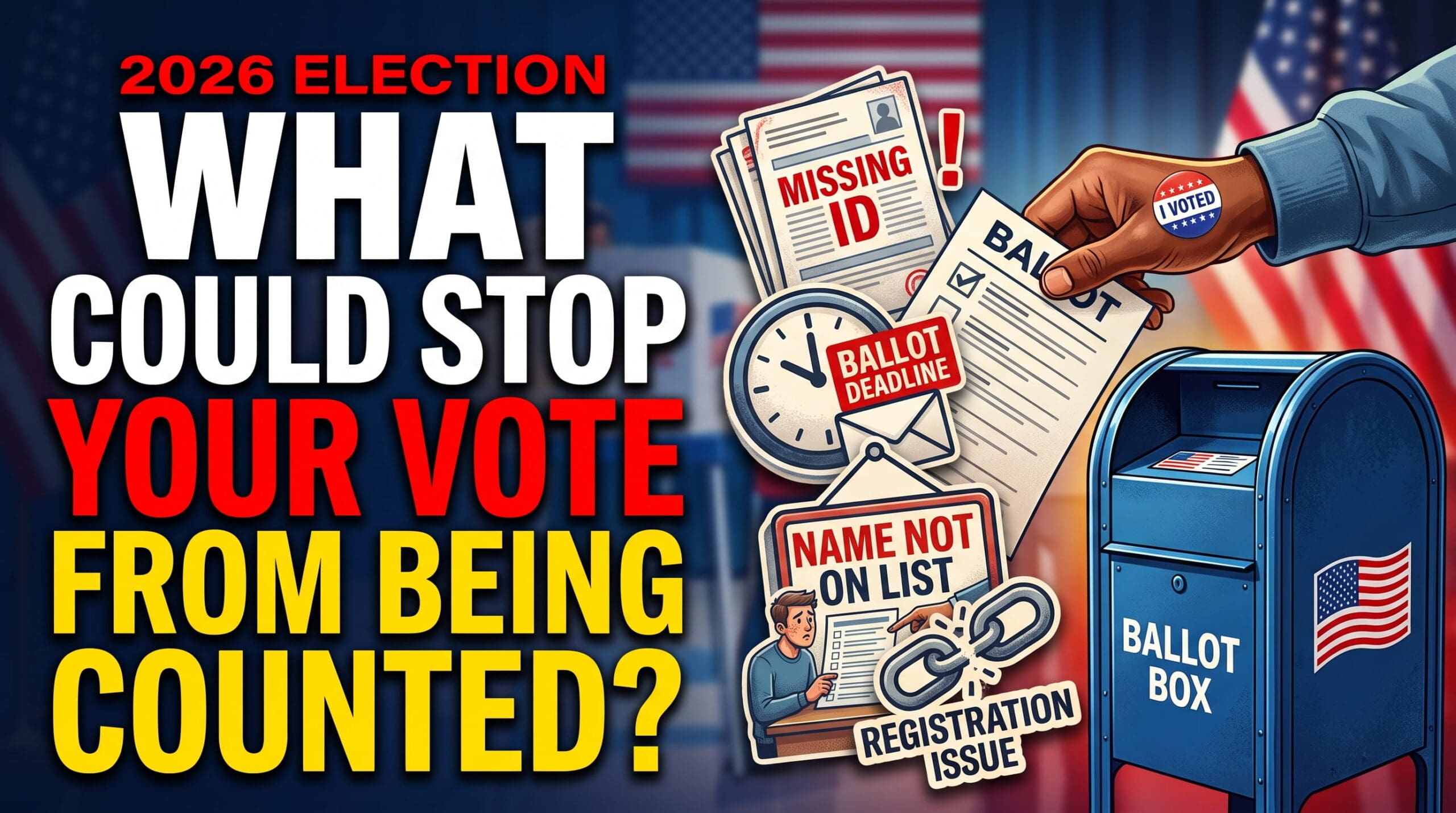
Your Vote: The Supreme Court’s new ruling on voting districts means the map of your community could change before the next election, potentially altering who represents you. This isn’t just legal jargon—it’s about whose voice counts in your neighborhood.
Your Trust: The friction surrounding the White House Correspondents’ Dinner highlights a growing divide. When we can’t agree on basic facts, it becomes harder to solve the problems that affect our schools, hospitals, and streets.
The big question isn’t just “What happened?” It’s “How do we navigate a world where the news feels so different depending on who you ask?”
If you want to understand how these events connect to your daily reality—and how to spot the filters shaping your view of them—head over to our “Why It Matters” tab.

No discussions yet
Be the first to join the discussion and share your thoughts with the community.